
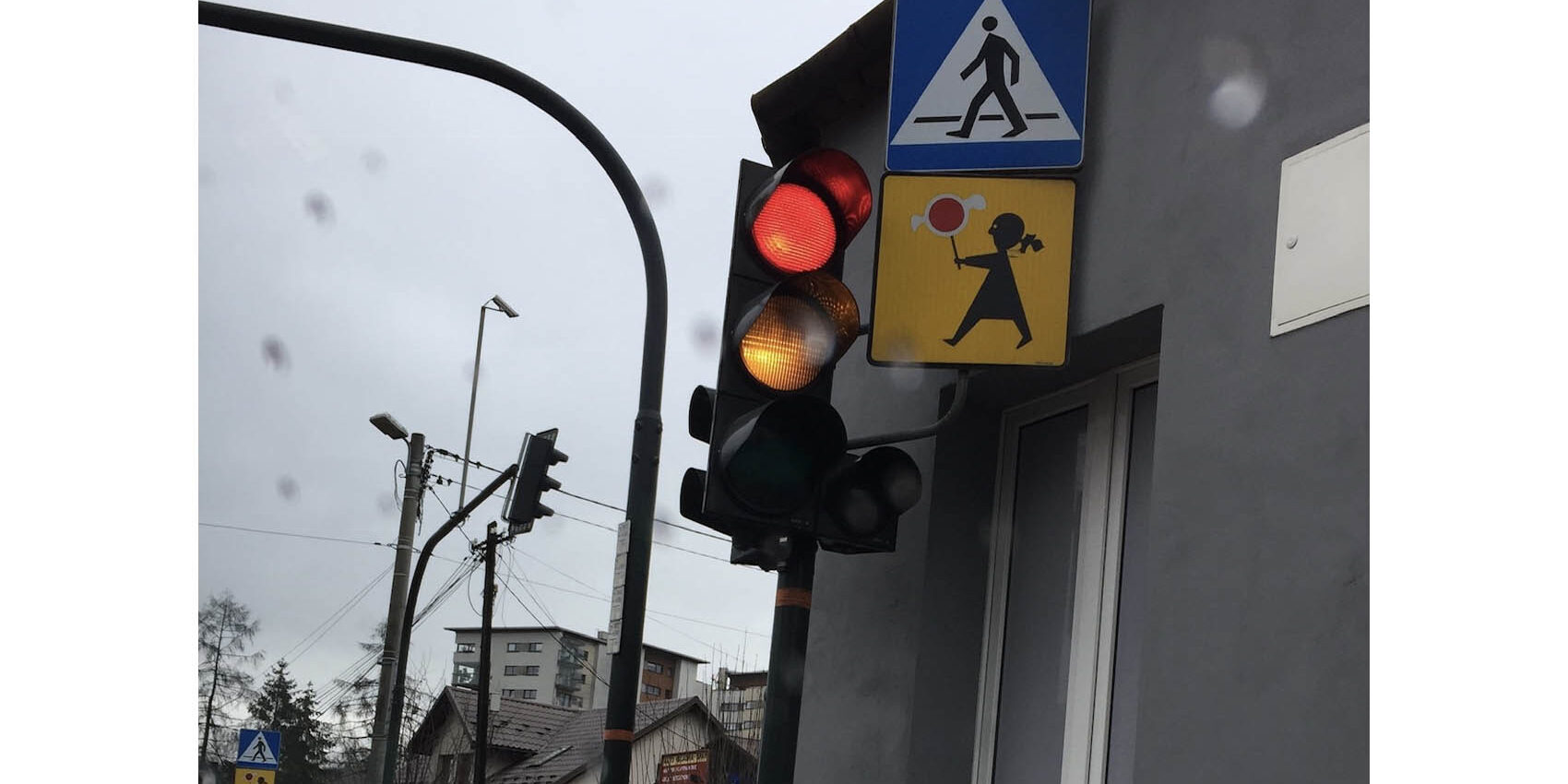
🚳 Road signs are a critical aspect of a safe road network, aligned with the ability of drivers to recognise and understand them. Human drivers are relatively adaptable in their ability recognise and understand signs that look familiar even if not exactly as they had expected. Machines are not necessarily as adaptable. Acknowledging that vehicles are manufactured for global markets, significant international efforts are needed to harmonize traffic signs and road markings to ensure consistent machine recognition and safety [1] performance. Due to economies of scale, the automotive manufacturing industry has limited ability to customize software and sensor system design for each individual jurisdiction. Therefore, industry-government forums are needed at an international level to support traffic sign harmonization. The United Nations Economic Commission for Europe has a working Group on harmonization.
⭕️ There are two major standards for traffic sign harmonization: the US Manual on Uniform Traffic Control Devices (MUTCD) for Streets and Highways and the Vienna Convention on Road Signs and Signals. There is also the Southern African Development Community Convention and the Central American Integration System Convention. Many countries also use individual systems that combine design principles from both the MUTCD and Vienna Convention. It is also common to have regional differences in signage within countries and even within sub-jurisdictions as well as on private land. Many road authorities have national standards for road signs, but regulation and enforcement are left to local governments.
🚸 Road authorities that have a national agency responsible for implementing and approving signage have demonstrated significantly more uniform systems.
Document: CHALLENGES AND OPPORTUNITIES FOR ROAD OPERATORS AND ROAD AUTHORITIES
Author: Maksym Yaryhin